The medical device business is led largely by companies based in North America, Europe and Japan; and many of these also lead the Indian medical device market. Companies such as GE Healthcare, Johnson & Johnson and Philips are also active outside medical devices. But many, such as Intuitive Surgical and Medtronic, are pure-play medical device companies. While highly regulated, the medical device industry is driven by innovation. Historically, success in India has meant the import of medical devices made in and for Western markets. But this has started to shift, with some American companies innovating for India and some Indian companies creating new products for domestic and global markets.
This penchant for innovation is visible as several multi-billion dollar organizations continue to spend more than 10% of their annual revenue on research and development, including Boston Scientific, and Edwards Life Sciences. Much of the innovation was historically driven by companies headquartered in Australia, Canada, France, Germany, Israel, Japan, Switzerland, the United States, and now India. Venture-funded and private companies are also important components of the ecosystem.
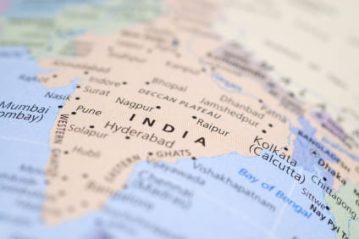
We at Amritt are helping lead the medical device business into globalization toward emerging economies such as India. Population and GDP growth has slowed down in the United States, Canada, Australia, Europe and Japan. There is pressure on regulatory approvals and third party reimbursements. At the same time, the younger population of India and other emerging countries are demanding better medical care; both per capita GDP and the size of the addressable patient market are growing rapidly, making for a virtuous cycle. India’s government runs a program (Ayushman Bharat) that provides comprehensive medical insurance to all citizens 70+ and to the poorest 500 million Indians. It is still the largest government-funded program of its nature. India’s Medtech market is currently valued at over $12 billion, and is projected to more than double by 2030. (Source: MedTech Transformation)
Looking to enter and expand into medical device markets such as India, leaders of international sales and marketing functions retain Amritt’s global marketing services – Explore our technical services for medical device companies.
India graduates large numbers of engineers and scientists. Many of them are going to work in medical device engineering, to help improve existing medical devices or design new ones. Some of these engineers work for captive offshore technical centers located in cities such as Bangalore and Hyderabad. Others work for Indian engineering service providers. And significant numbers of scientists and engineers innovate in government labs and universities funded largely by the Indian government. Chief Technology Officers and VPs of Product Development in the medical device business turn to Amritt for guidance on using global technical resources effectively. Read more about our global innovation services. Medical device development is changing and thought leaders are leveraging India in ways that are transforming medical equipment manufacturers in India, America and the world.
Amritt’s medical device clients have benefited across the entire spectrum of activity outlined above, including guidance on medical device registration in India. India’s regulatory framework has evolved significantly in recent years – the Medical Device Rules has a risk based classification system, and the National Medical Device Policy introduced in 2023 has further shaped compliance requirements and market access pathways. While India’s standards continue to draw from European and American frameworks, navigating the CDSCO approval process and import licensing requirements requires specific local expertise. Amritt helps clients anticipate and address these requirements at every stage. (Source: Dept of Pharmaceuticals, Indian Government)
View Medical Device Categories in India
Watch our India medical device video playlist.
Last updated: August 3rd, 2026